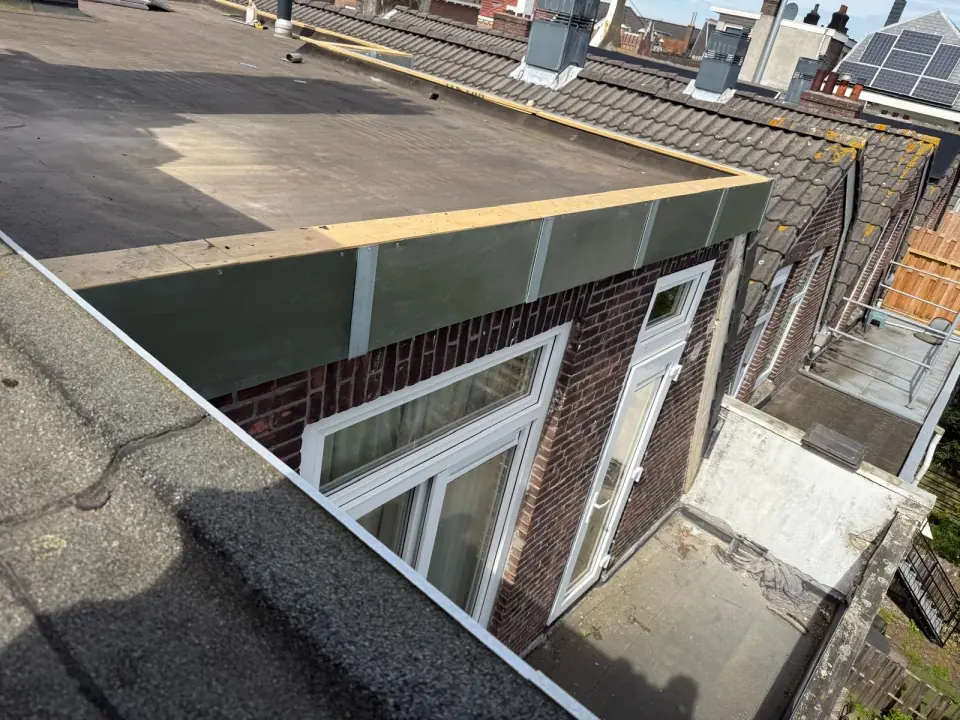
First check that each proposal covers the same surfaces, edges and openings. Compare retained layers, new materials and assumptions about the substrate. Include access equipment, disposal and protection when assessing the total. Ask how changes are priced and approved. Read the completion and warranty arrangements. A lower total may describe a different job rather than a cheaper version of the same work.
Compare the same roof sections
Check the surfaces, edges and junctions in each proposal. Ask why stated areas differ. A gutter, dormer or outlet included in only one quotation can explain a price difference that initially looks surprising.
Compare removed and retained layers
Identify what is removed, what stays and which materials are installed. Note assumptions about the substrate and ask how they are checked. Similar material names do not mean the preparation or final build-up is identical.
Include the practical costs
Ask whether scaffolding, protection, waste removal and access are included. Check whether the total includes VAT and which payment terms apply. Clarify how variations are priced and who must approve them before execution.
Read the completion arrangements
Compare the photographs, documents, maintenance guidance and written warranty conditions you will receive. Ask how aftercare questions are handled. Make your decision only once differences in both work and follow-up are clear.
An illustrative difference between quotations
For example, quotation A covers new covering on retained layers. Quotation B also includes removal, new edges and a new outlet. A higher total for B does not demonstrate a higher price for the same assignment.
Identify unresolved costs
Flag items that depend on later investigation or opening the roof. Ask how they will be calculated and when approval is needed. Keep your comparison alongside the final proposal so uncertain items do not disappear from view.